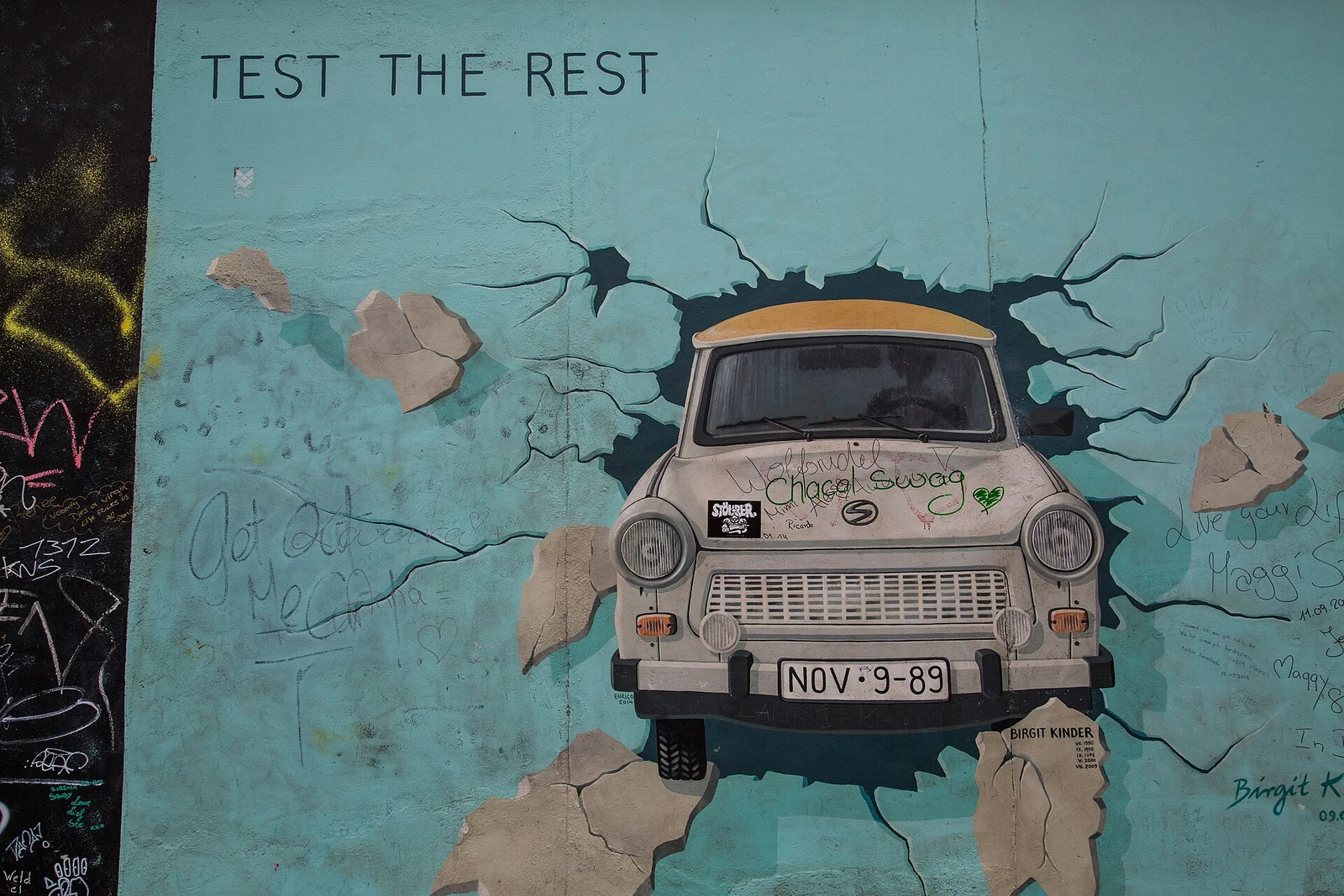
Test the Rest
At a glance
Birgit Kinder paints a Trabant bursting through the Berlin Wall, making the car’s passage and the painted surface part of the same visual joke.
Historical account
The night the Berlin border opened
Growing public pressure
In 1989 demonstrations and emigration put increasing pressure on the East German government to loosen travel restrictions.
Crowds at the checkpoints
An unclear announcement on 9 November led people to believe the restrictions had already been lifted. Crowds gathered, and guards began to let them through.
From a border to a public gallery
Crossing accelerated the political changes that culminated in German reunification. Artists painted a surviving section of the Wall in 1990.
Which moment does the artwork show?
The Trabant and its plate allude to the opening. Kinder renders the change as an imaginary break through the concrete itself.
The story behind the artwork
A familiar car meets a barrier
The Trabant is closely associated with daily life in East Germany. Kinder makes the modest car an unmistakable symbol of crossing a border that had divided the city.
Painting a break in the surface
Cracks and shadows give the flat concrete the appearance of an opening. The viewer encounters the image on a surviving part of the barrier it pretends to destroy.
A closer look
A nearly head-on angle makes the vehicle appear to aim beyond the wall.
Jagged shapes operate as pictorial damage to the real concrete.
The title provides a second point of recognition above the car.
The date-like number recalls the night the border opened.
The irregular contour helps sell the illusion of a piece of wall knocked away.
Sources
Image credit
The mural under its current title, Test the Rest, at the East Side Gallery.
Wikimedia Commons Original file (15.3 MB) Tony Webster from Portland, Oregon, United StatesCC BY 2.0Related works
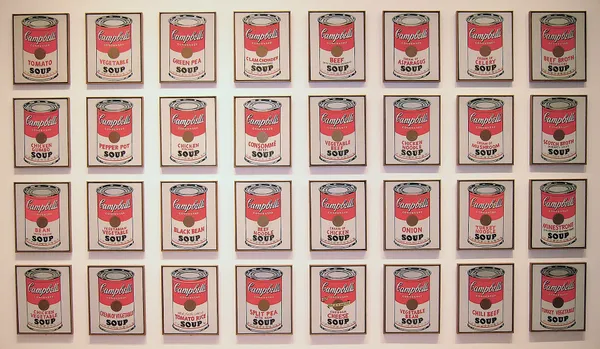
Campbell's Soup Cans
Andy Warhol
Andy Warhol painted 32 varieties of Campbell’s soup on separate canvases, turning the repetition of a grocery shelf into an organising principle for art.
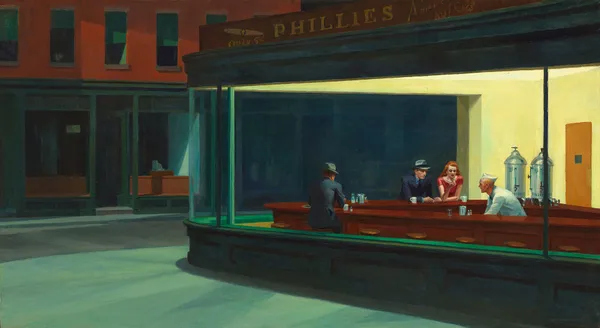
Nighthawks
Edward Hopper
Hopper sets four people inside a brightly lit all-night diner, leaving the corner outside almost completely empty.
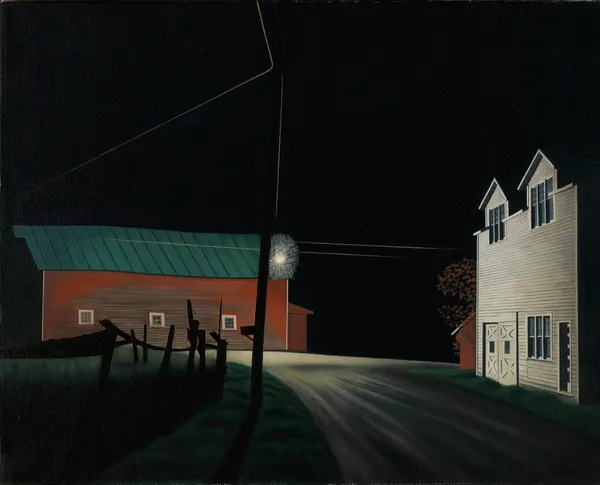
Bright Light at Russell's Corners
George Ault
George Ault sets a hard pool of electric light against an empty crossroads near Woodstock, New York, in a night scene of nearly abstract planes.
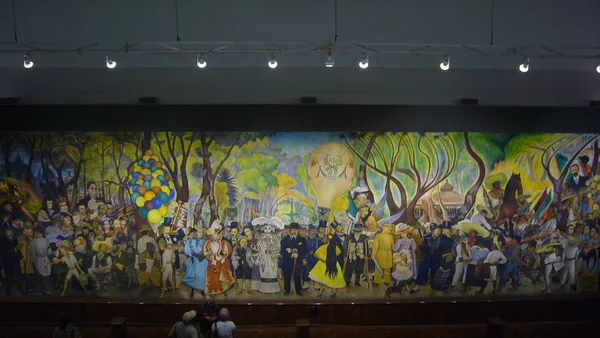
Dream of a Sunday Afternoon in Alameda Park
Diego Rivera
Diego Rivera assembles people from centuries of Mexican history in an imaginary afternoon gathering in Mexico City’s Alameda Central.